
Plantsoen van Boedapest – Leidsche Rijn Centrum, Utrecht

Innovative urban garden where greenery, culture and infrastructure come together

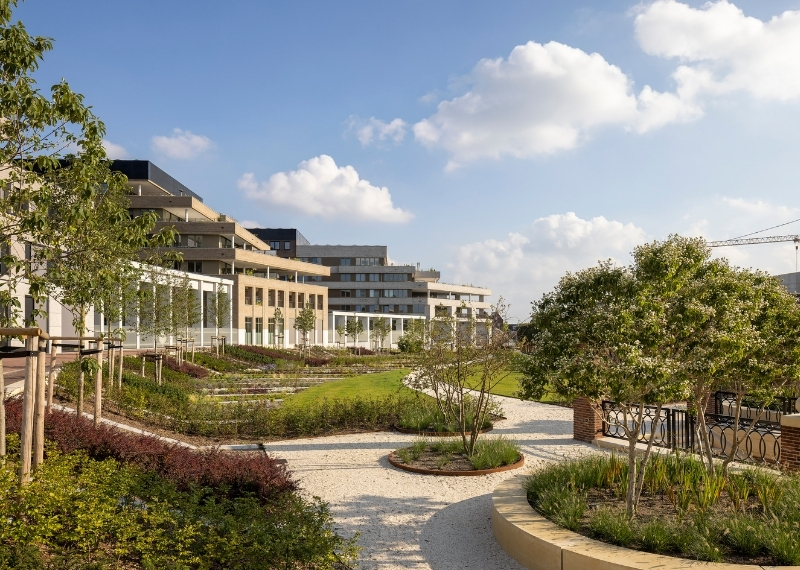
Plantsoen van Boedapest in Leidsche Rijn Centrum Utrecht is a multi-layered urban garden that bridges the seven-metre height difference between the historic Hofstede Ter Weide and the modern Berlijnplein. The garden combines greenery, culture and recreation, with spaces for creative enterprises and nesting facilities for birds and bats beneath the elevated park. Thanks to smart solutions, such as additional planting depth in the roof garden, water reservoirs for young trees, root ball anchoring for stability and a corten steel edge retaining system, a sustainable, biodiverse and safe outdoor space has been created.
Project details

Innovative urban garden

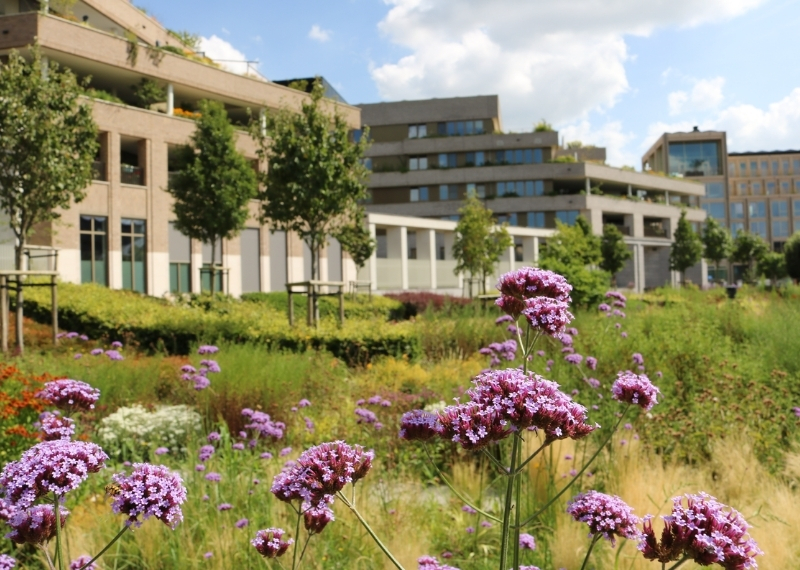
In the heart of Leidsche Rijn Centrum South lies Plantsoen van Boedapest, an elegant new urban garden that not only offers a captivating view with its many lush plants and flowers, but also provides a practical solution for the height difference in the area. Visitors and residents can enjoy a green city park that brings together culture, relaxation and hospitality.

Creative design for height difference

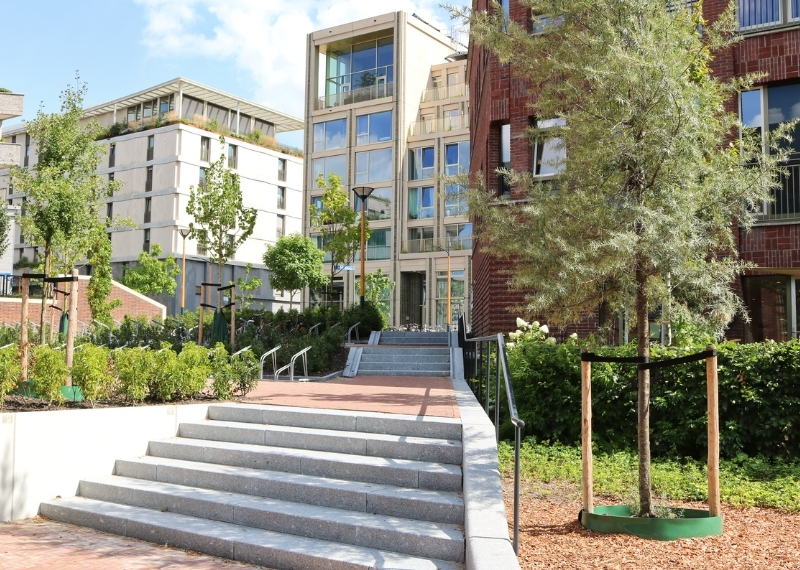
The most distinctive feature of the urban garden in Leidsche Rijn Centrum is the height difference of 7 metres. At ground level, the original landscape, stands the historic farm Hofstede Ter Weide, which has withstood the development of the large urban district. A wide, sand-coloured staircase connects the farm with the Berlijnplein located seven metres higher; a square built on a tunnel of the A2 motorway. The garden of Plantsoen van Boedapest is situated at an intermediate level and was intended to form the connection between the old and new land. It is the link in the so-called cultural axis that runs through part of Leidsche Rijn Centrum.

Culture and biodiversity

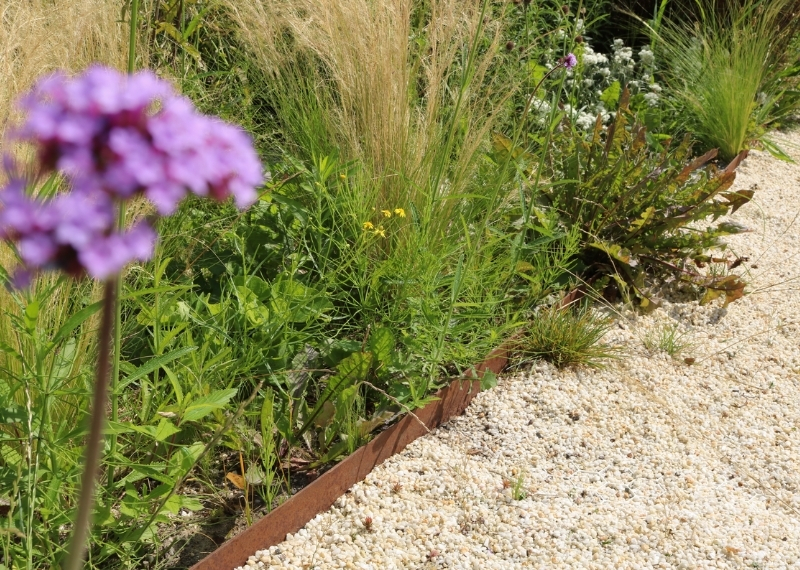
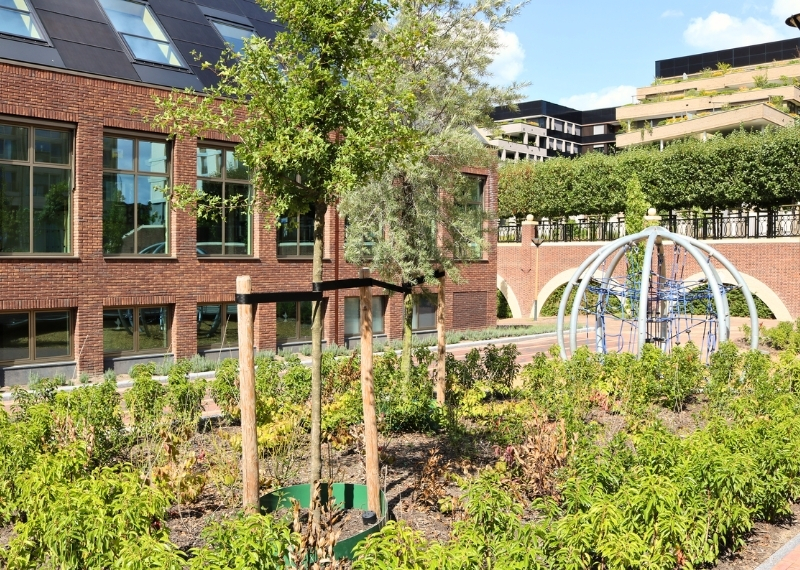
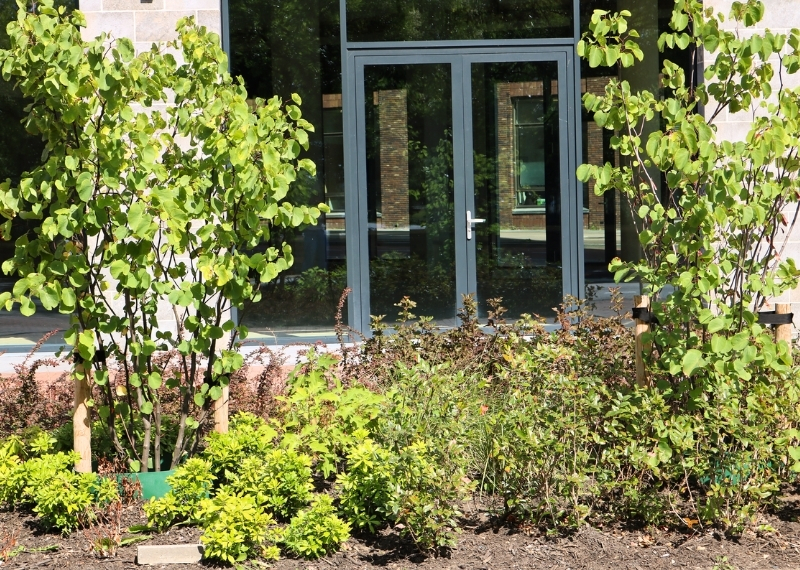
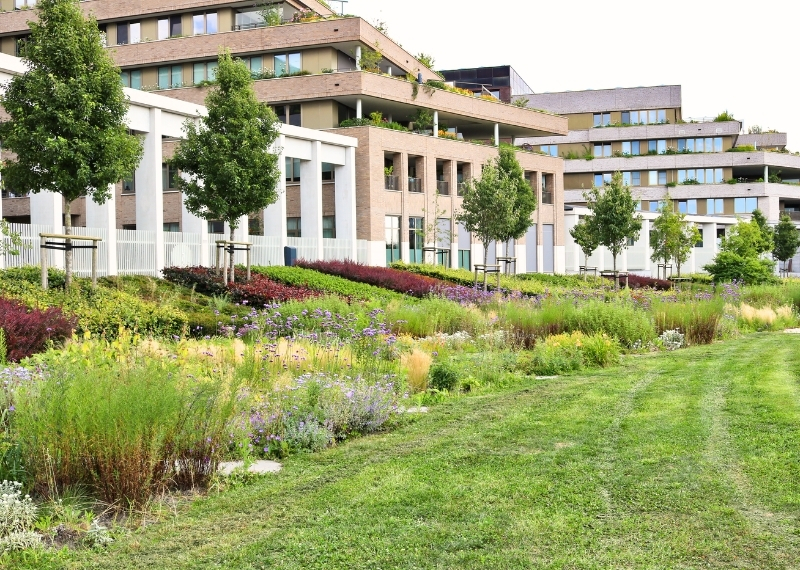
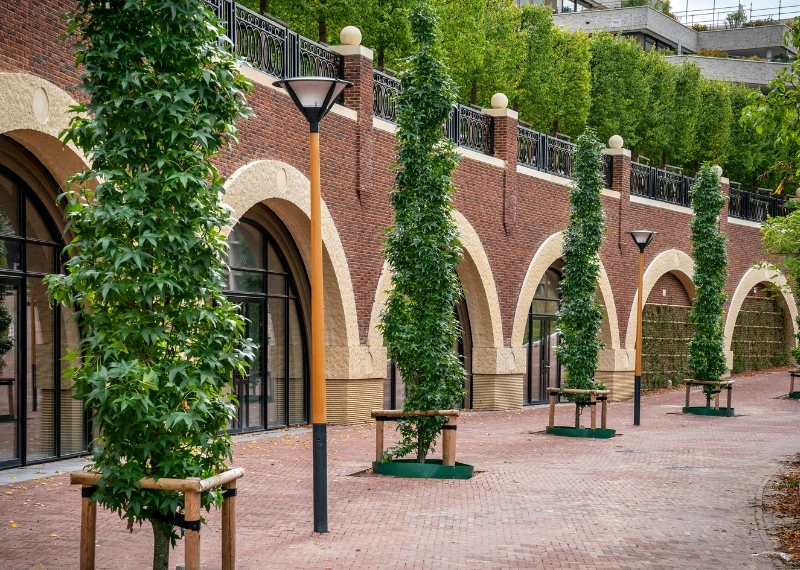
Beneath the elevated park, creatively designed spaces can be found with graceful arches, comparable to wharf cellars. These spaces now function as a centre for cultural and creative enterprises and are even equipped with nesting boxes for birds and bats in the walls. The urban garden offers a rich experience with a diversity of trees, hedges, borders of perennials and ornamental grasses that create a palette of textures and colours throughout the seasons. When selecting the planting, long-flowering perennials that are beneficial for bees, butterflies and other insects were specifically chosen. These insects in turn serve as a food source for birds, supported by the presence of shrubs and trees that bear berries and fruits. To stimulate biodiversity in the park, special nesting facilities have been integrated into the architecture.

Planting trees on a roof garden

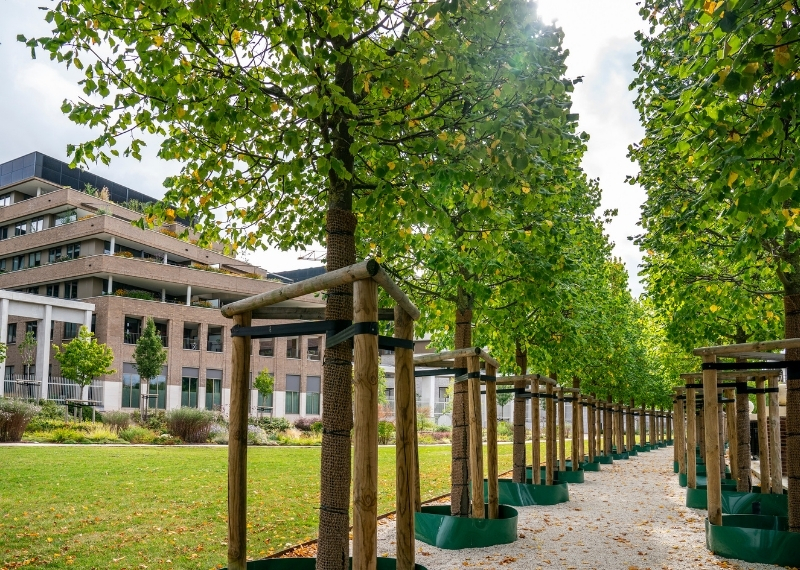
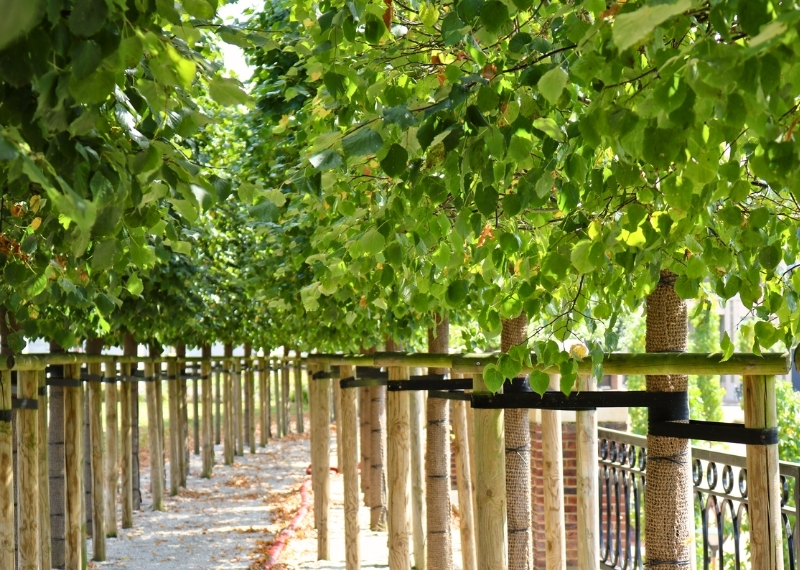
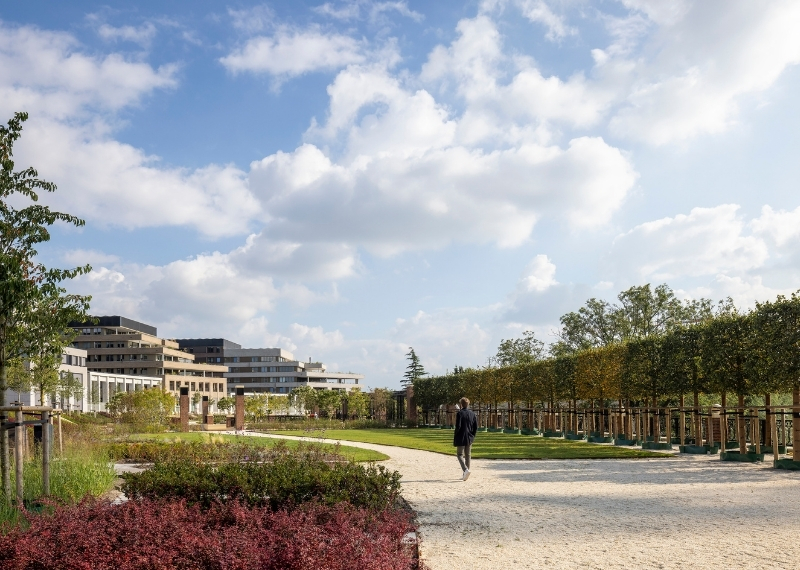
To address the limited planting depth above the underlying spaces and to provide mature trees with sufficient growing space, the construction team – consisting of landscape architects, the green contractor and the municipality – found an innovative solution. By strategically positioning the roof beams, they created almost one metre of planting depth. Despite the challenge of limited space, the tree supplier’s advice to plant three trees per intermediate space resulted in a successful, almost closed tree canopy. This green passage has now grown into a popular place for a walk.

Water reservoirs for irrigation

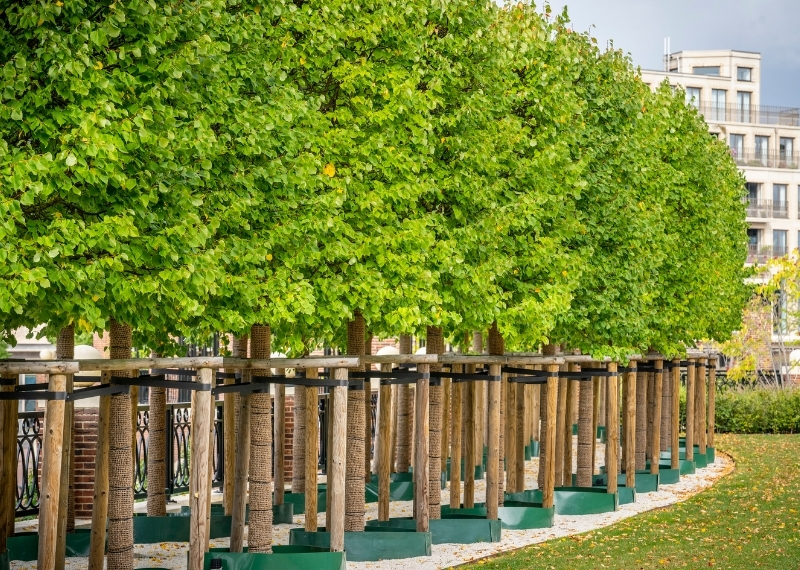
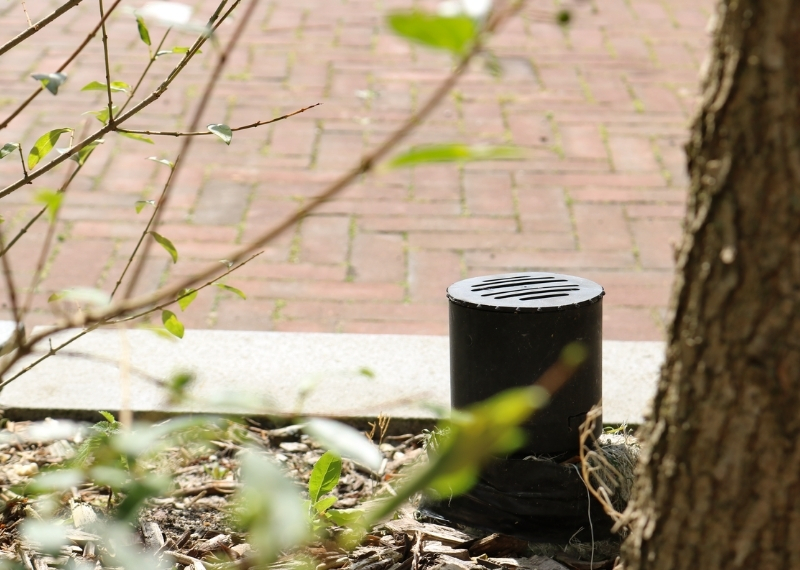
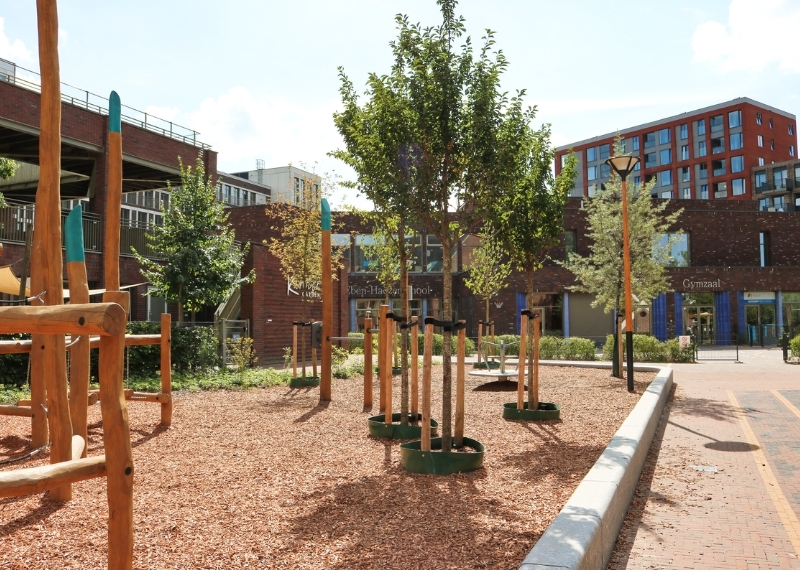
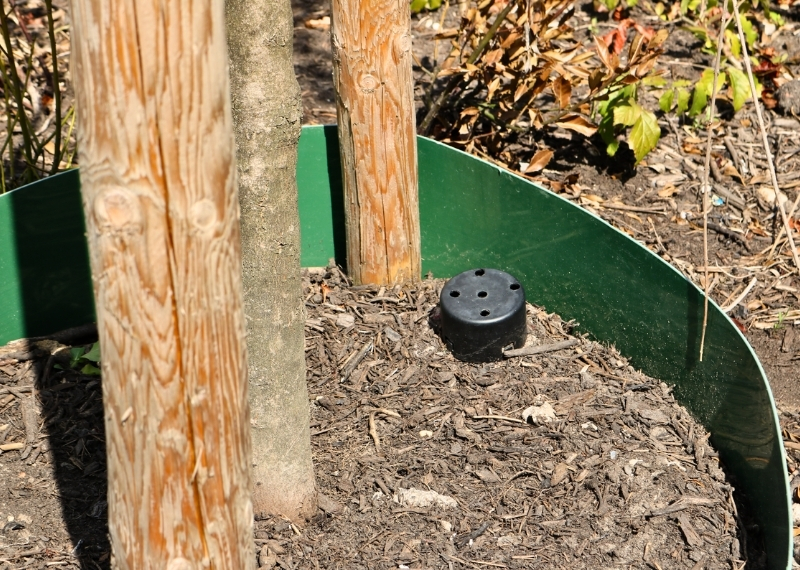
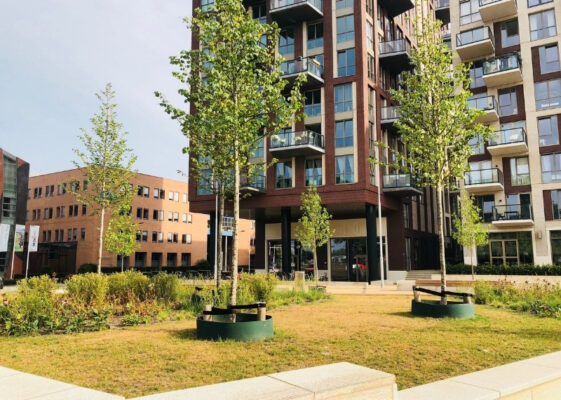
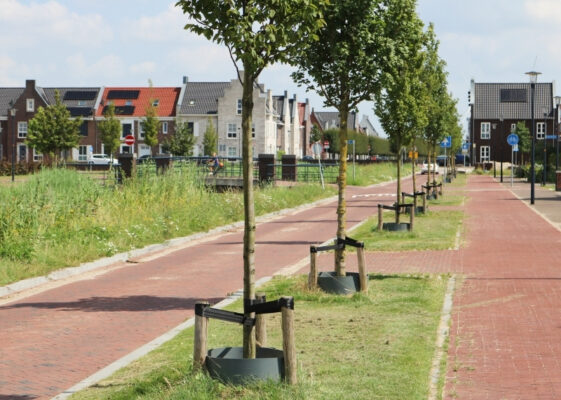
For various tree species, such as columnar sweetgum trees and lime trees, the water reservoirs from GreenMax were applied. Water reservoirs act as a water buffer for young trees, giving them a good start during the first years of the growth phase. It ensures that water is absorbed directly by the roots. A senior supervisor from the municipality of Utrecht is satisfied with the condition of the planting after three years: “Although some plants have been lost, particularly in the perennial beds on the sunny side of the slope, this is only a small percentage. It was mainly necessary to add new plants to these sunny planting beds.”

Root ball anchoring for stability

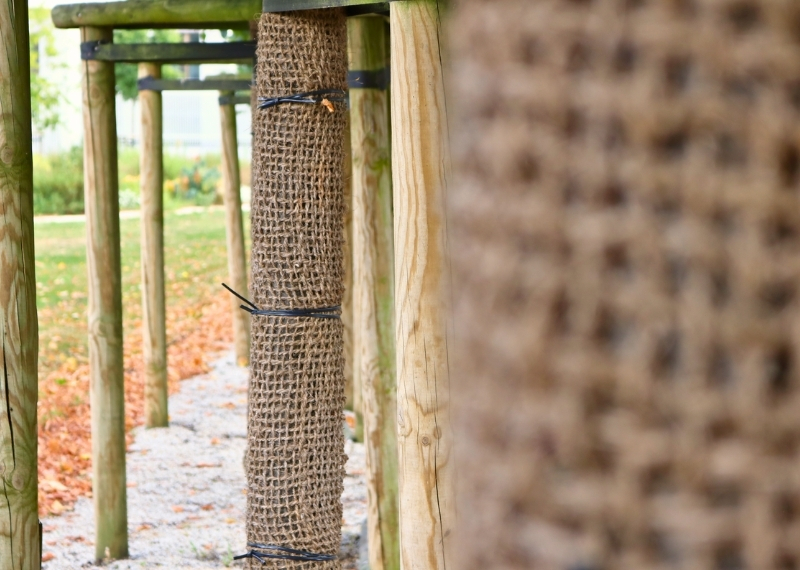
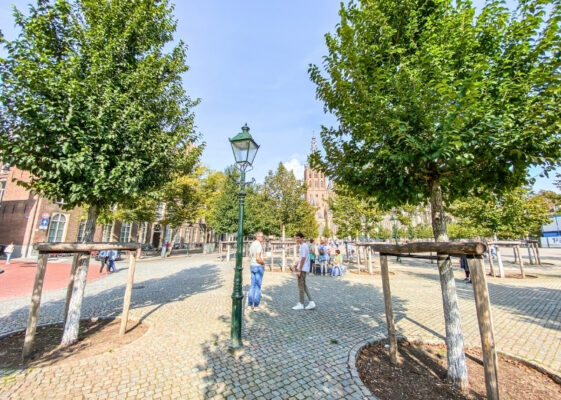
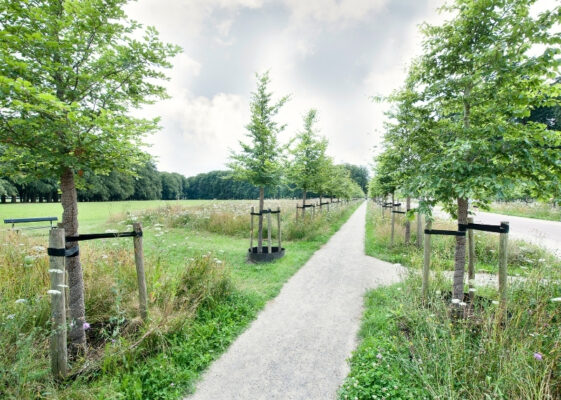
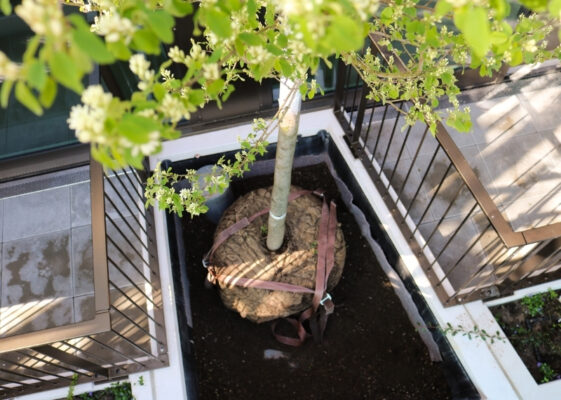
On a roof garden structure, trees have less space to stabilise themselves than in a natural environment. To provide the trees with the necessary stability, GreenMax root ball anchoring was chosen. This secures the tree’s root ball in the ground using strong straps, ensuring that the trees remain stable during the growth phase. Root ball anchoring has already proven itself in unique projects, such as the Trudo Tower in Eindhoven and Wonderwoods in Utrecht. By ensuring the stability of the trees in the urban garden of Leidsche Rijn Centrum, the park remains a safe environment for visitors, even during storms and extreme weather conditions.

Corten steel edge retaining system for a natural design

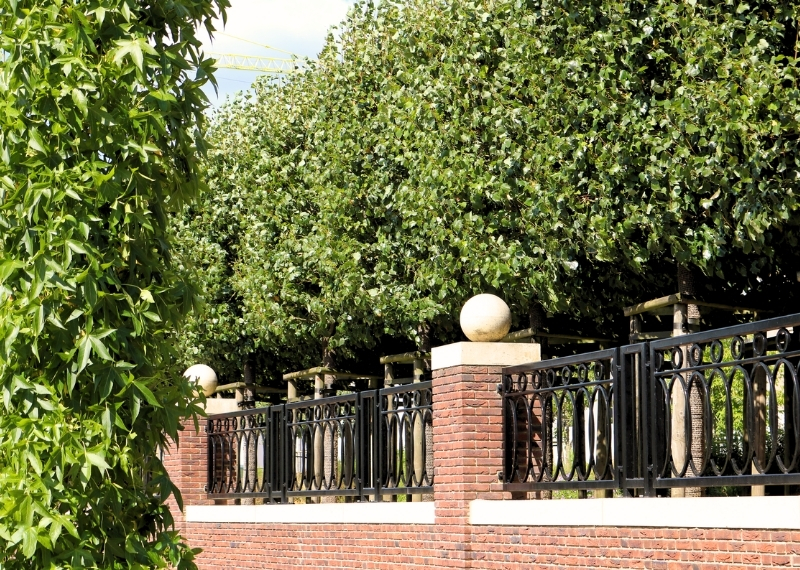
The design team drew inspiration for Plantsoen van Boedapest from international examples, such as the gardens at Prague Castle (designed by Plečnik) and historic French gardens. These influences are clearly recognisable in the design, which stands out through a prominent central staircase, a tree-lined walkway with elegant steel balustrades and the use of warm colours in the materials. The corten steel edge retaining system from GreenMax was applied to create an atmospheric and natural appearance in the park. Corten steel is a robust, durable and weather-resistant material that lasts for generations. The combination of natural forms and aesthetic details gives the park a distinctive and atmospheric character.

The future of the urban garden in Leidsche Rijn Centrum

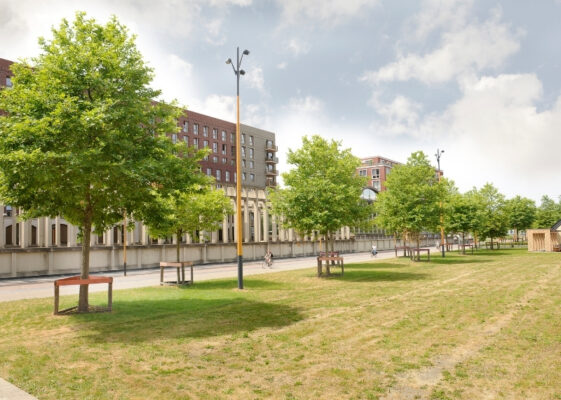
At present, the municipality is responsible for maintaining the urban garden, after the green contractor took care of this during the first two years after construction. In 2026/2027, the second phase of the urban garden will start on the other side of the Vaduzdijk. This is currently a temporary meeting place for teenagers with a skate area. This location will be transformed into a park full of plants and flowers and two rows of lime trees. A pedestrian bridge over the Vaduzdijk will connect both parts of the urban garden. Additionally, the option is being explored to realise a bicycle parking facility beneath this part of the urban garden with a capacity for approximately 680 bicycles.

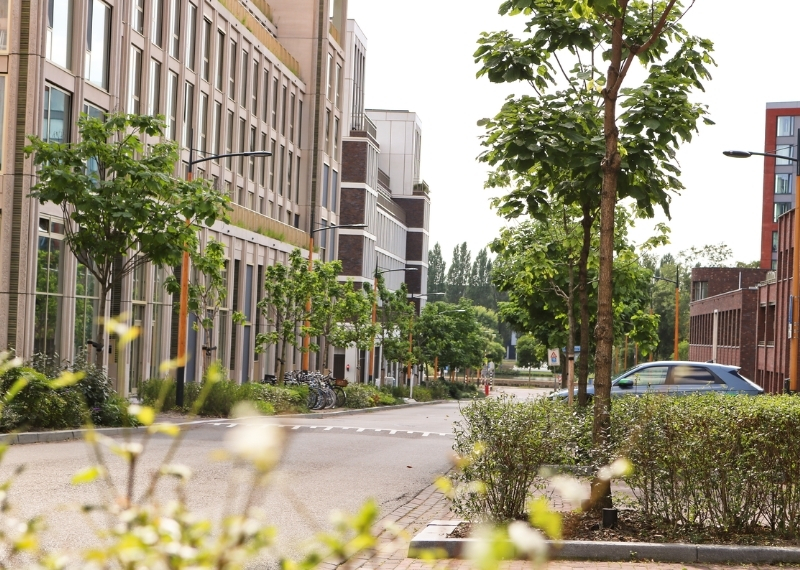
The urban garden in Leidsche Rijn Centrum, also known as Plantsoen van Boedapest, is a green, tranquil oasis in the midst of vibrant city life. It is a wonderful project in which a sustainable and innovative combination of greenery and infrastructure has been created!

Project photos

ADVICE ON TREES IN PUBLIC SPACES?

Schedule a consultation with one of our experts. Together, we assess the situation and translate this into clear, tailored advice.