
ARTIS, Amsterdam: stable trees in an African savannah

Securely anchored trees in a design with a low ecological footprint

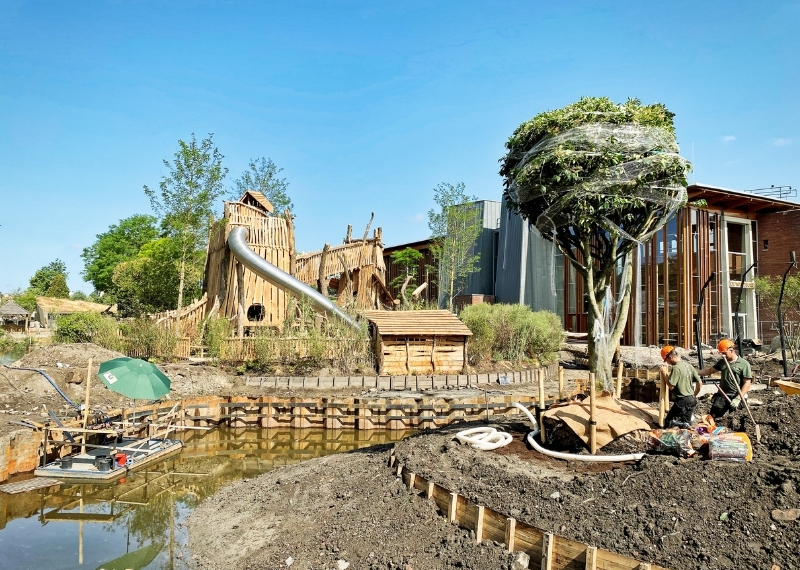
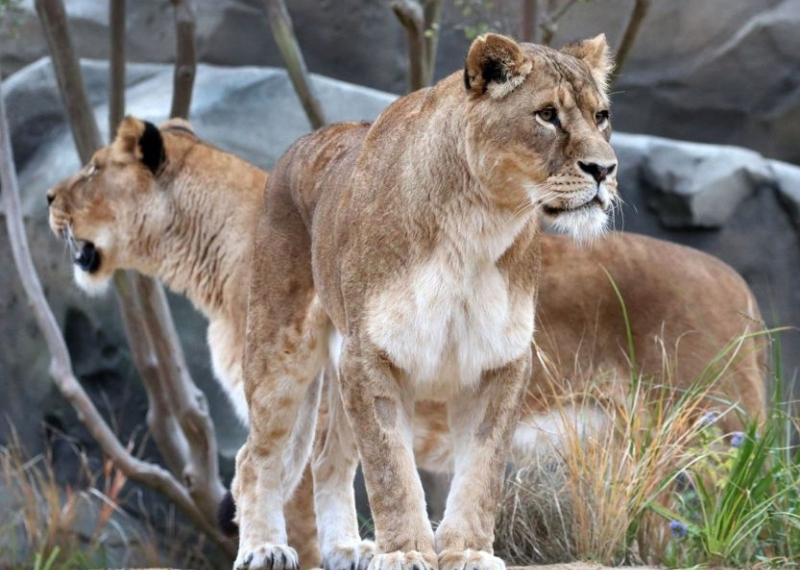
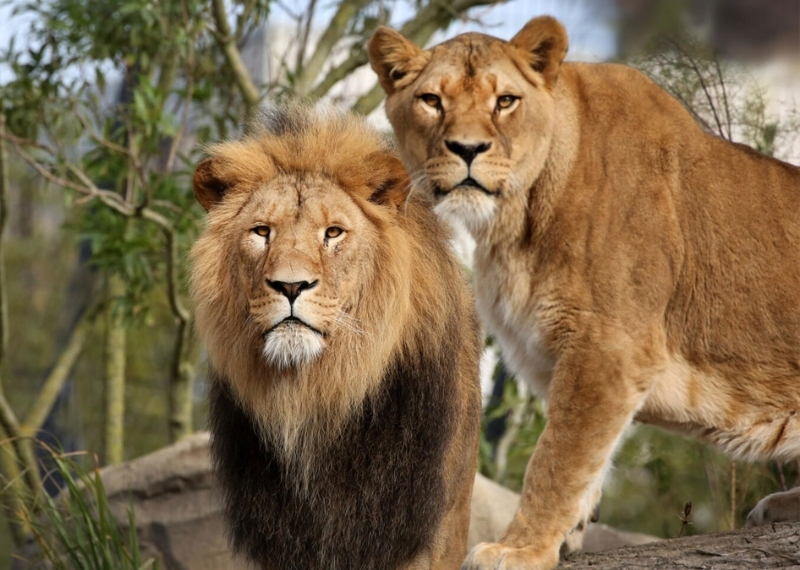
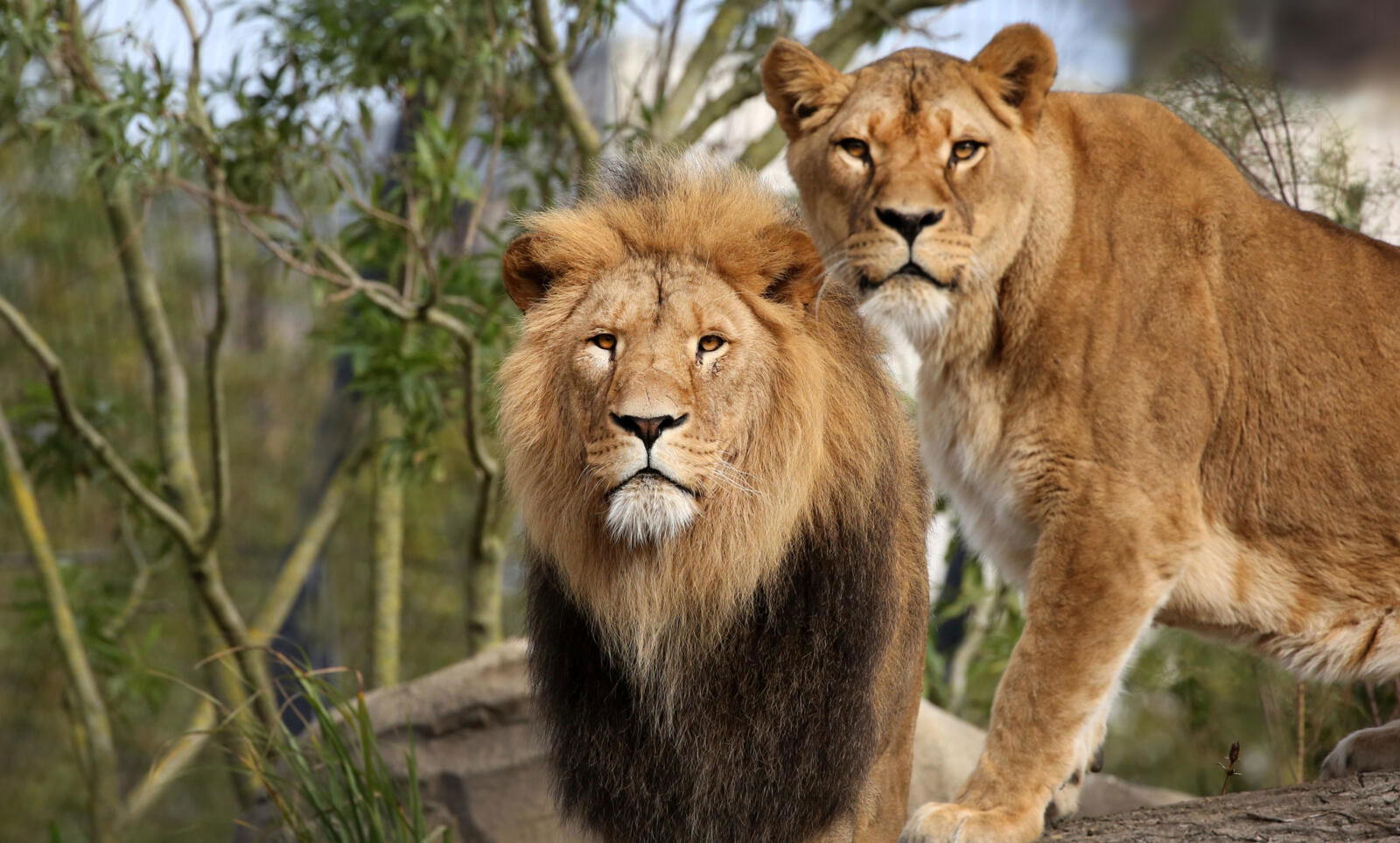
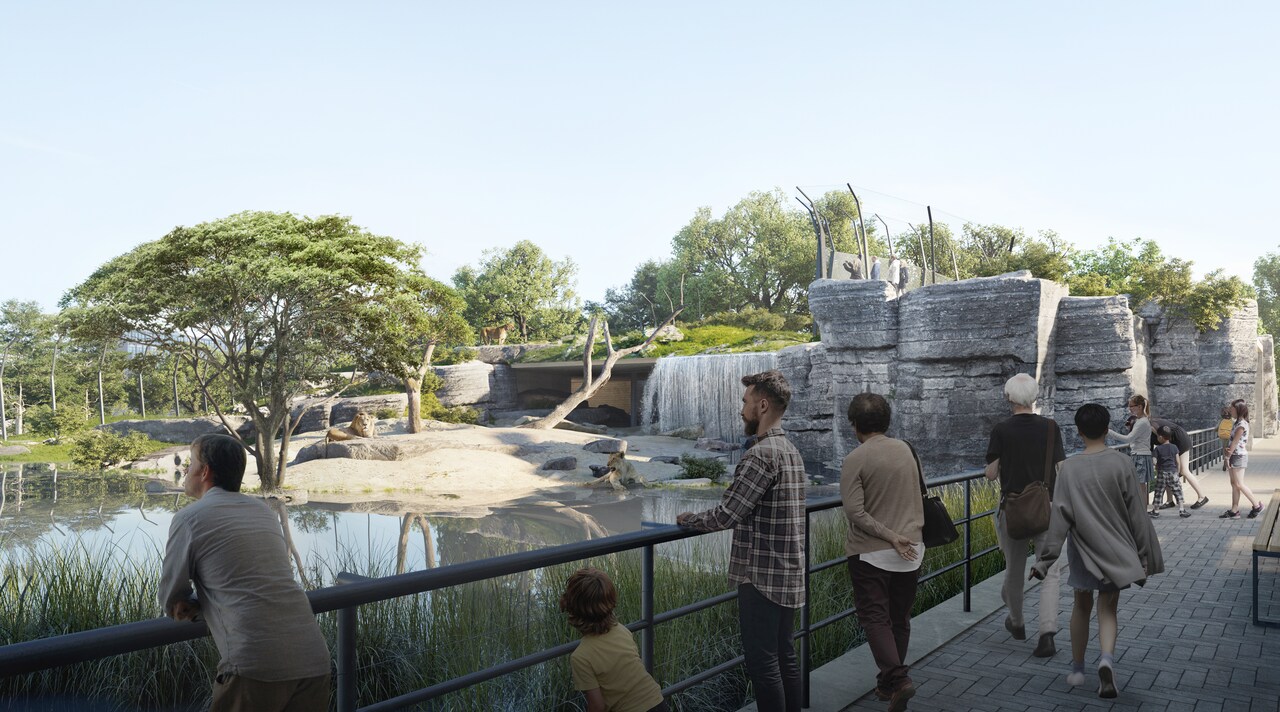
ARTIS in Amsterdam has realised a renewed lion enclosure that is ten times larger than the previous one and is designed to optimally support the natural behaviour of lions, with elements such as a savannah landscape, climbing trees and water features. Because trees play an important role as shade, lookout points and resting places, GreenMax root ball anchoring was chosen to ensure their stability, eliminating the need for above-ground poles and making it safe for the animals. The enclosure was built with a minimal ecological footprint and the lions have quickly and calmly adapted to their new, natural environment.
Project details

Historic zoo

ARTIS Zoo, located in the heart of Amsterdam, is the oldest zoo in The Netherlands. It is a place where people, animals, plants and trees come together to support biodiversity in the capital. Recently, ARTIS has taken a major step in animal welfare with the realisation of a new lion enclosure.

Natural habitat for lions

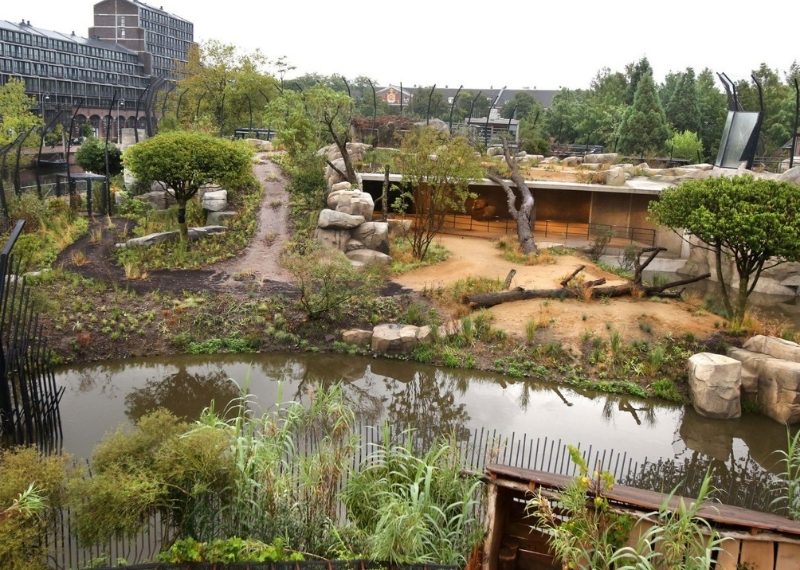
The new lion enclosure is ten times larger in surface area than the previous enclosure. Landscape architect Thijs de Zeeuw and architect Alexander Lefebvre created the design for the new lion enclosure. De Enk, as the main contractor, carried out the construction of the larger enclosure. An important principle of the design is that the layout of the enclosure supports the natural behaviour of the lions. The new enclosure features a gently undulating landscape inspired by the African savannah across different seasons. It includes climbing trees, feeding trees, waterfalls and a catnip garden, all contributing to a natural habitat for the lions.

Trees as an important part of the design

Trees are an important element of the new lion enclosure. Lions often seek the shade of trees to cool down when it is hot. Some lions climb trees to use them as lookout points, giving them a better view of their surroundings. In addition, lions may climb trees to rest or sleep in a safe place. For these reasons, it was essential to ensure the stability of the trees in the enclosure.

Root ball anchoring for stable trees

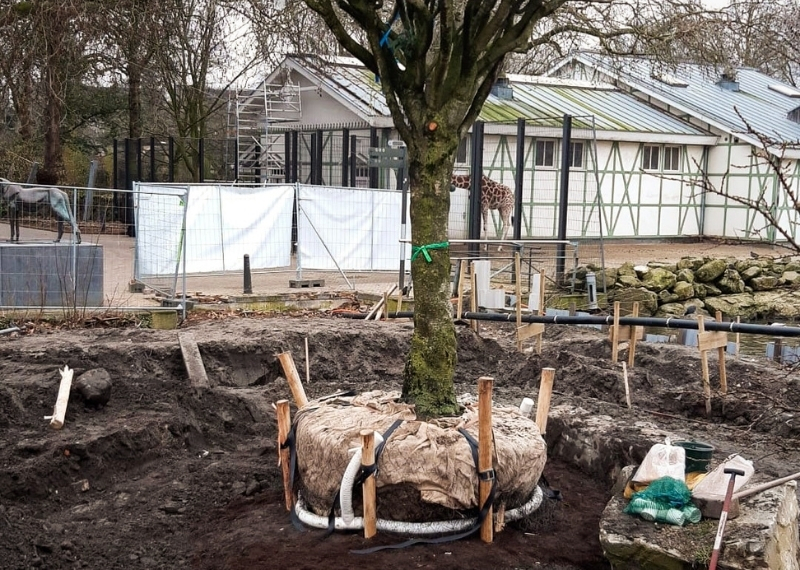
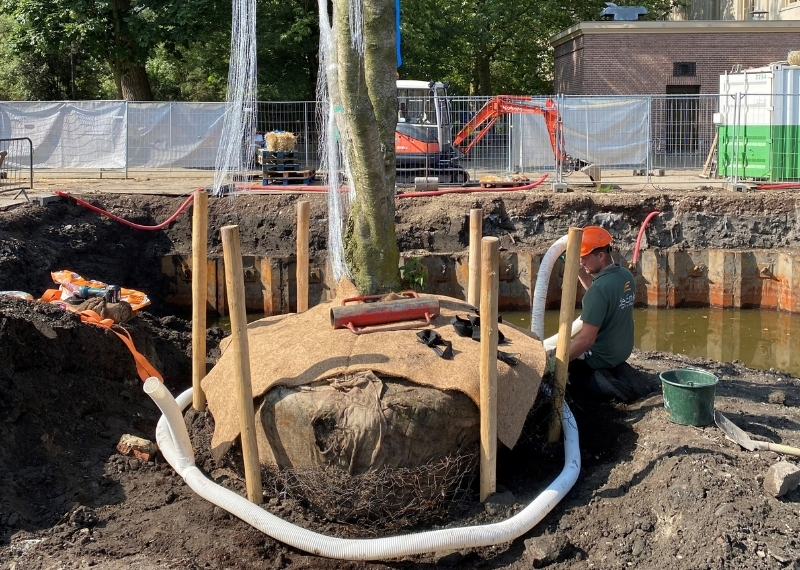
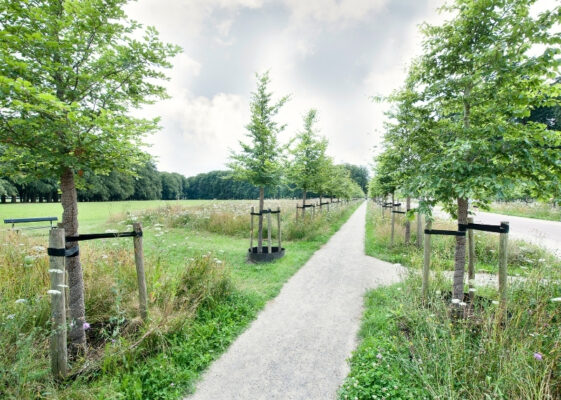
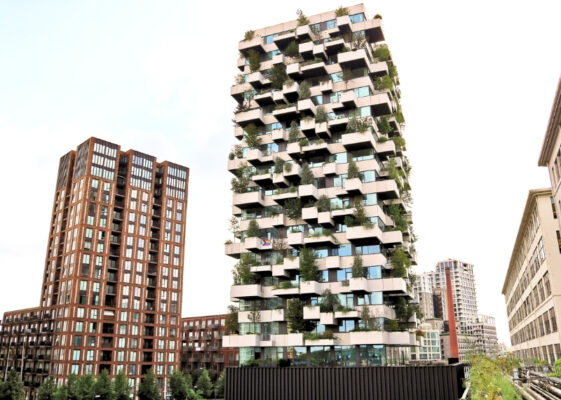
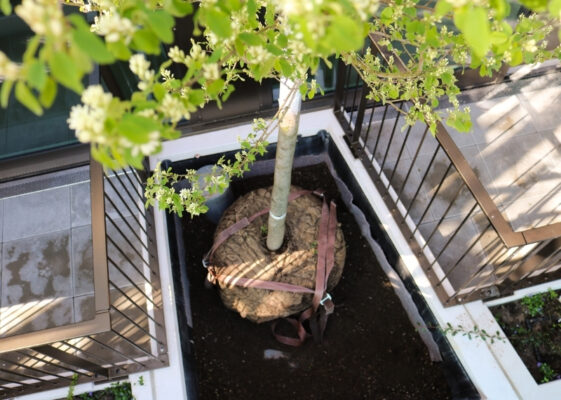
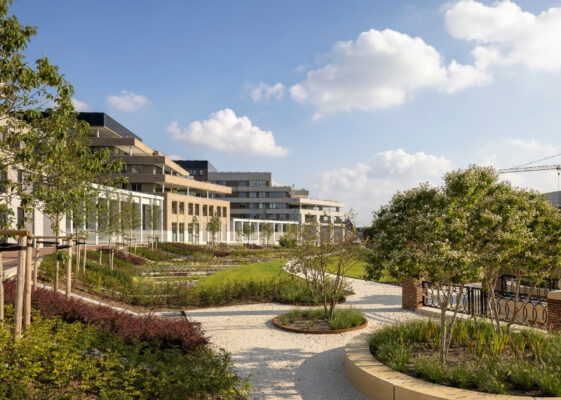
To provide the trees with the necessary stability, the GreenMax root ball anchoring system was applied. Root ball anchoring offers an effective solution to anchor trees underground using strong straps and earth anchors around the root ball. This allows the tree to retain its natural freedom of movement and removes the need for above-ground tree stakes. In a lion enclosure, there is a risk that tree stakes with tree ties could be pushed over. GreenMax root ball anchoring has been used for many years with trees, including at the Trudo Tower in Eindhoven and Wonderwoods in Utrecht.

Small ecological footprint

The objective in renewing the lion enclosure was to minimise the ecological footprint. All materials were therefore assessed for condition and reusability.

Lions enjoy their new enclosure

Over time, the landscape will become wilder and the lions will make the territory their own. The lions were able to get used to their new enclosure in a calm manner and quickly became familiar with their new habitat.

Project photos

ADVICE ON TREES IN PUBLIC SPACES?

Schedule a consultation with one of our experts. Together, we assess the situation and translate this into clear, tailored advice.