
Public authorities
Healthy Trees for a Liveable Municipality
Without an integrated approach to green space and infrastructure, a future-proof public realm is impossible. Cities are increasingly adopting an integrated green-blue-grey infrastructure principle to tackle heat stress, waterlogging and the impacts of climate change.
Public authorities face complex challenges. The public realm must be liveable, safe and resilient, while space is scarce and budgets are under pressure. Climate adaptation, mobility, biodiversity and public health all compete for the same square metres. Without integrated choices and coherent policy, isolated measures have little long-term impact and ultimately lead to high restoration and maintenance costs.
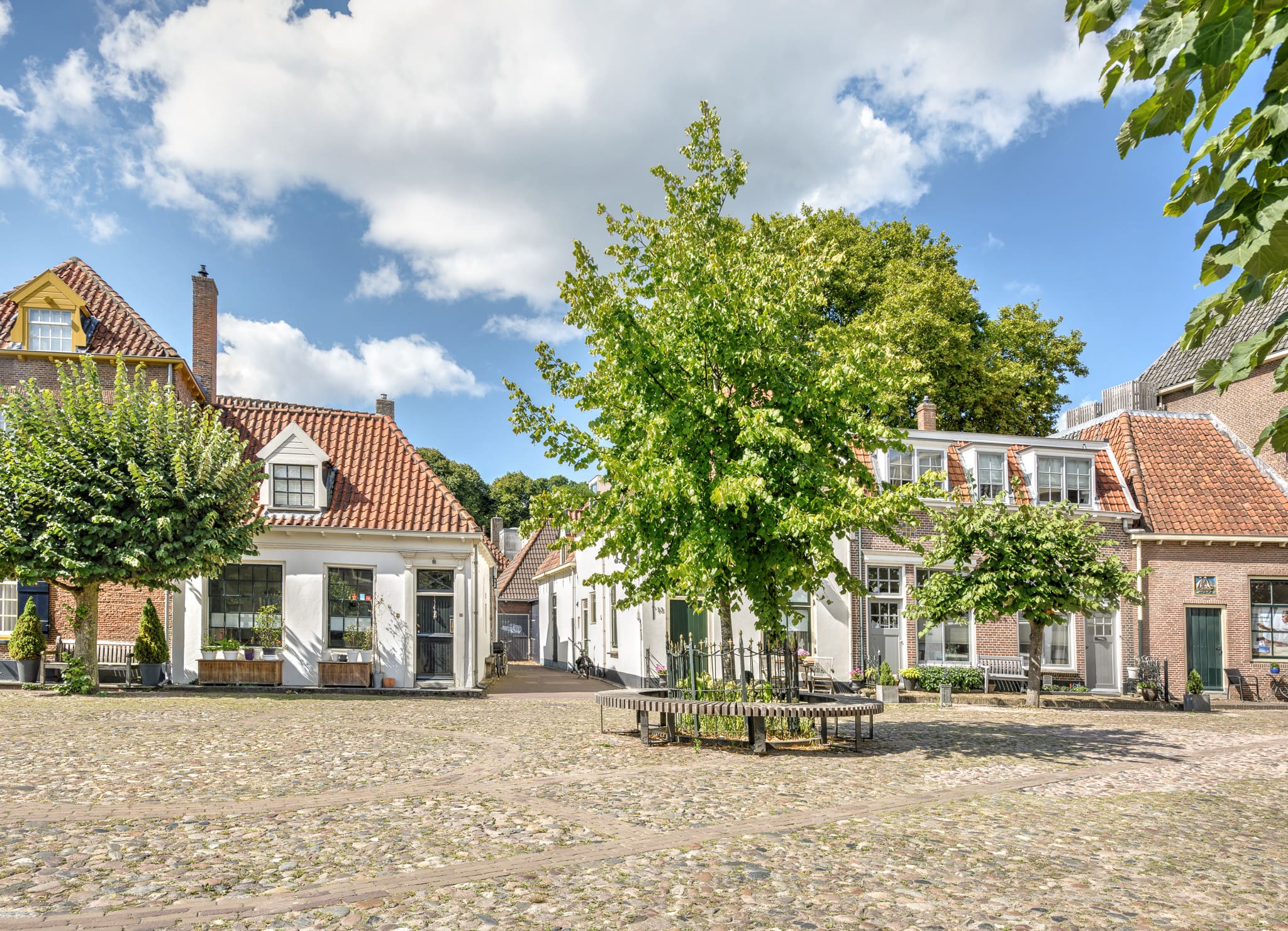
Integrated policy with one clear vision for green space and infrastructure in the public realm
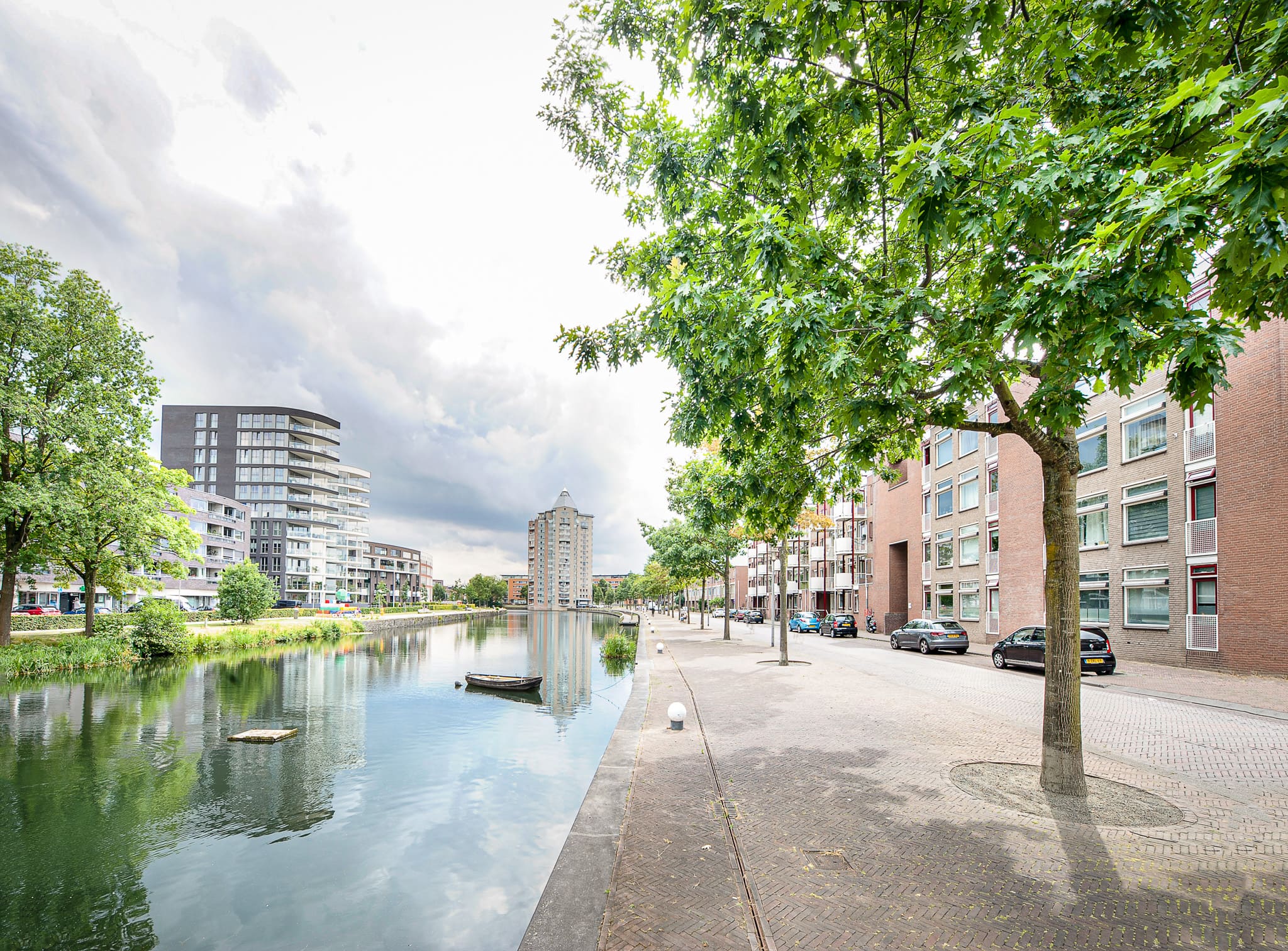
Research published in Frontiers (2025) highlights that collaboration between local authorities, researchers and businesses, combined with active community involvement, is essential for successful greening in both the short and long term.
Trees play an indispensable role in this. Scientific studies show that trees contribute to cooling, water regulation and air quality, and also have a positive impact on the mental and physical health of residents. Yet the average urban tree currently lives for only about 10 years. This is striking, as urban trees only truly deliver their full value once they reach maturity, at around 20 to 30 years of age.

Top 3 most common problems with trees in municipalities
In 2025, we conducted research into the most common problems affecting trees within municipalities. The findings show that three challenges recur consistently:
- Root heave or damage to infrastructure
- Poor growth due to an unsuitable tree pit
- Diseases and pests
Addressing challenges with trees in the public realm
To address challenges with trees in the public realm, such as root heave, poor growth and diseases or pests, it is essential to take a close look at tree pit design. Trees naturally belong in forests, not surrounded by concrete and paving. It is therefore unsurprising when a tree shows signs of stress if it is planted in hard landscaping without a suitable tree pit. Urban trees often suffer from heat stress, soil compaction, lack of oxygen, insufficient rooting space, drought, pollution and nutrient deficiencies. Trees rarely fail immediately, but are subjected to prolonged stress over time.
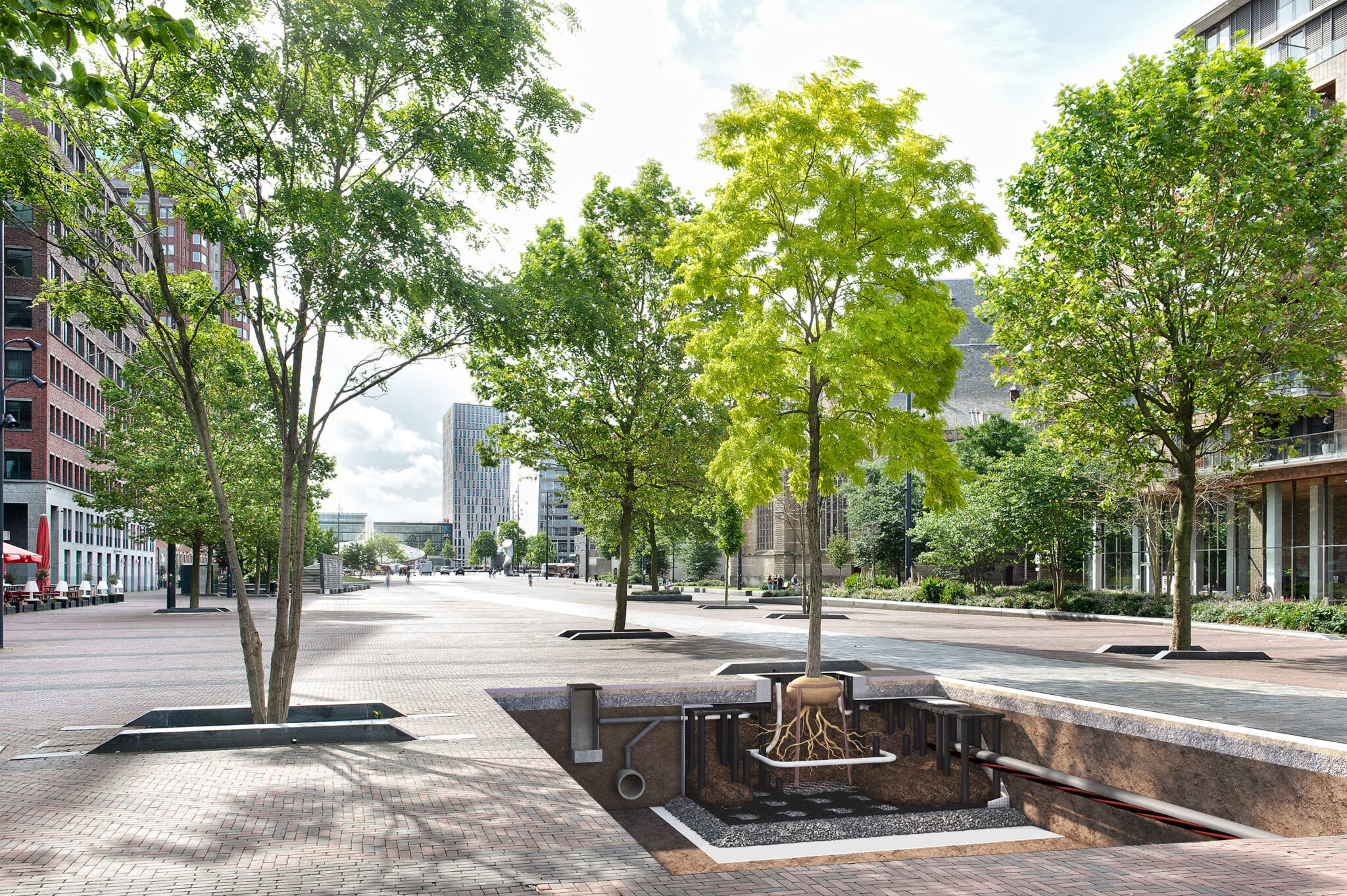
Integrated tree pit design for urban trees
For 30 years, we at GreenMax have been pioneering innovations that bring green space and infrastructure together. Green, grey and blue no longer have to be competing choices, but can form one integrated solution with the right approach.
We provide solutions for the integrated design of tree pits for urban trees. Within paved areas, we create tree pits that are as natural as possible, while ensuring optimal water management, protection of paving and careful integration of cables and utilities.
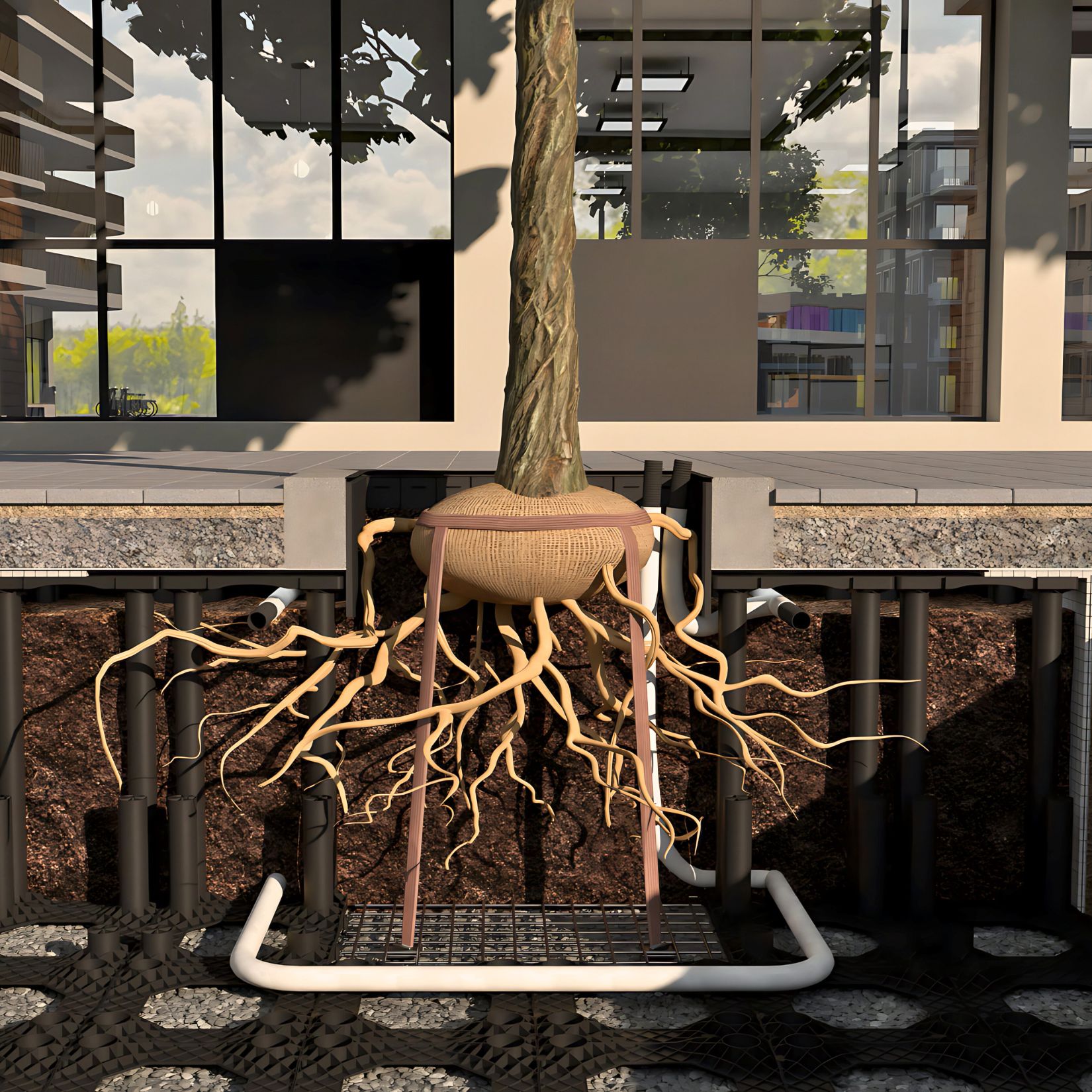
Tree Pit Design
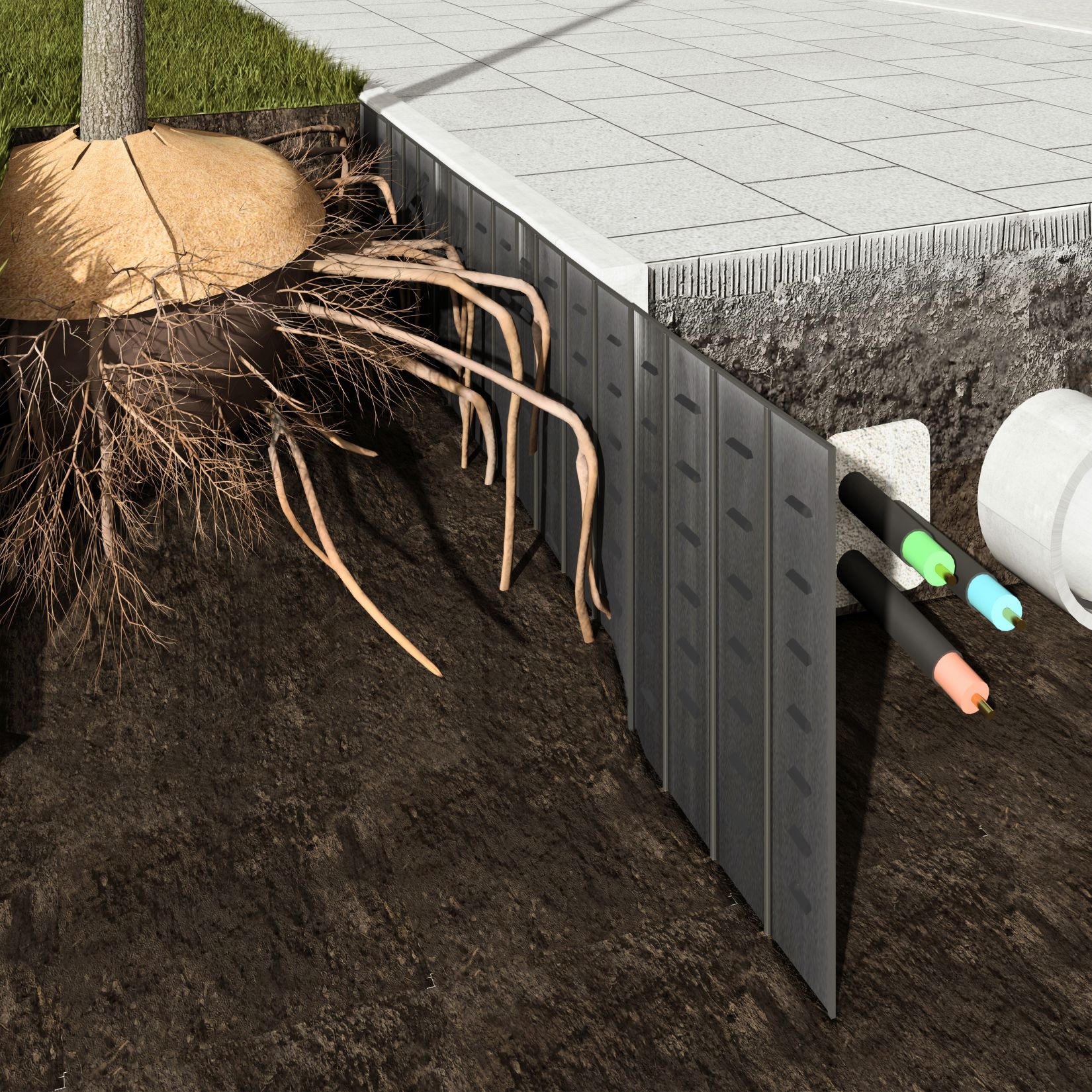
Root protection and guidance
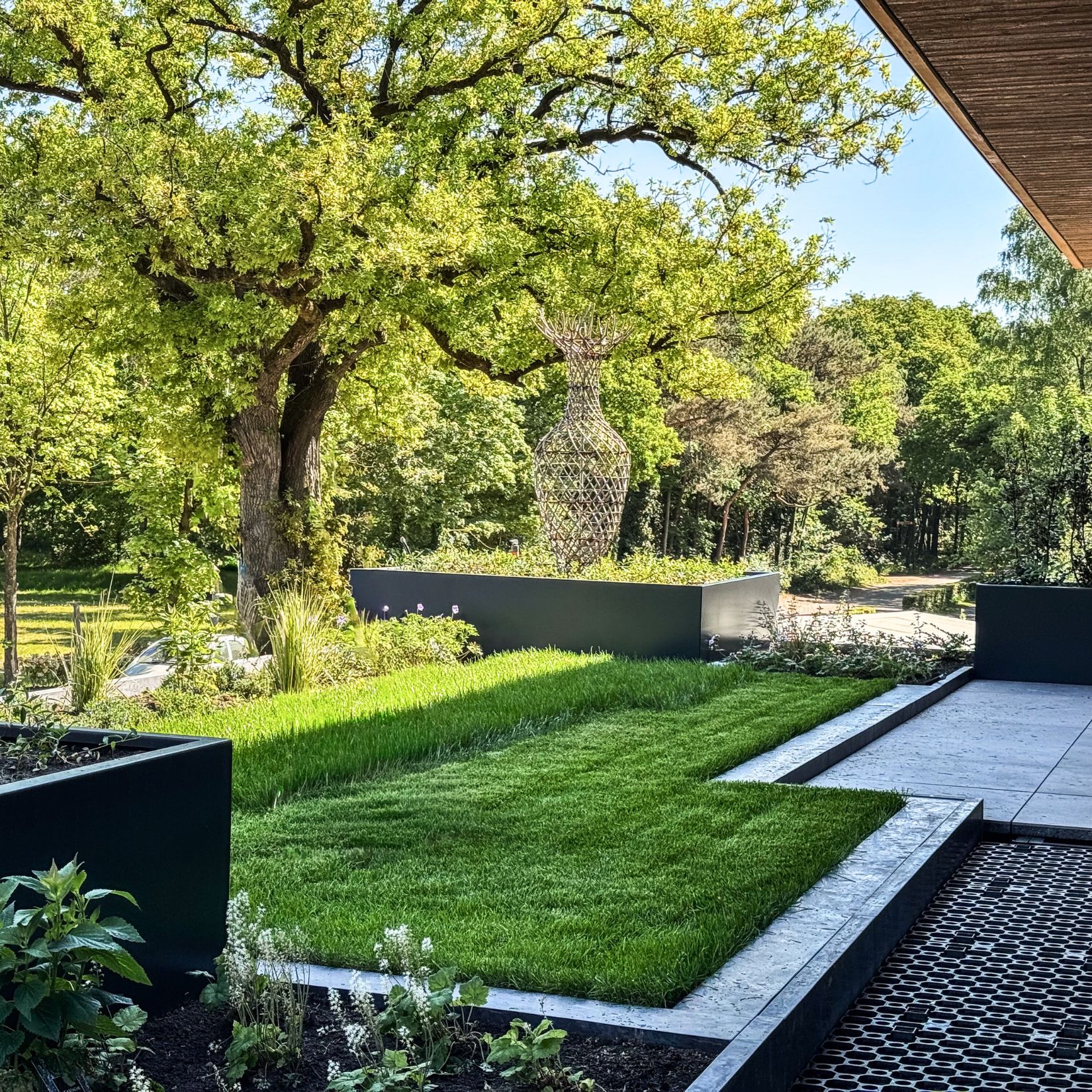
Water retention
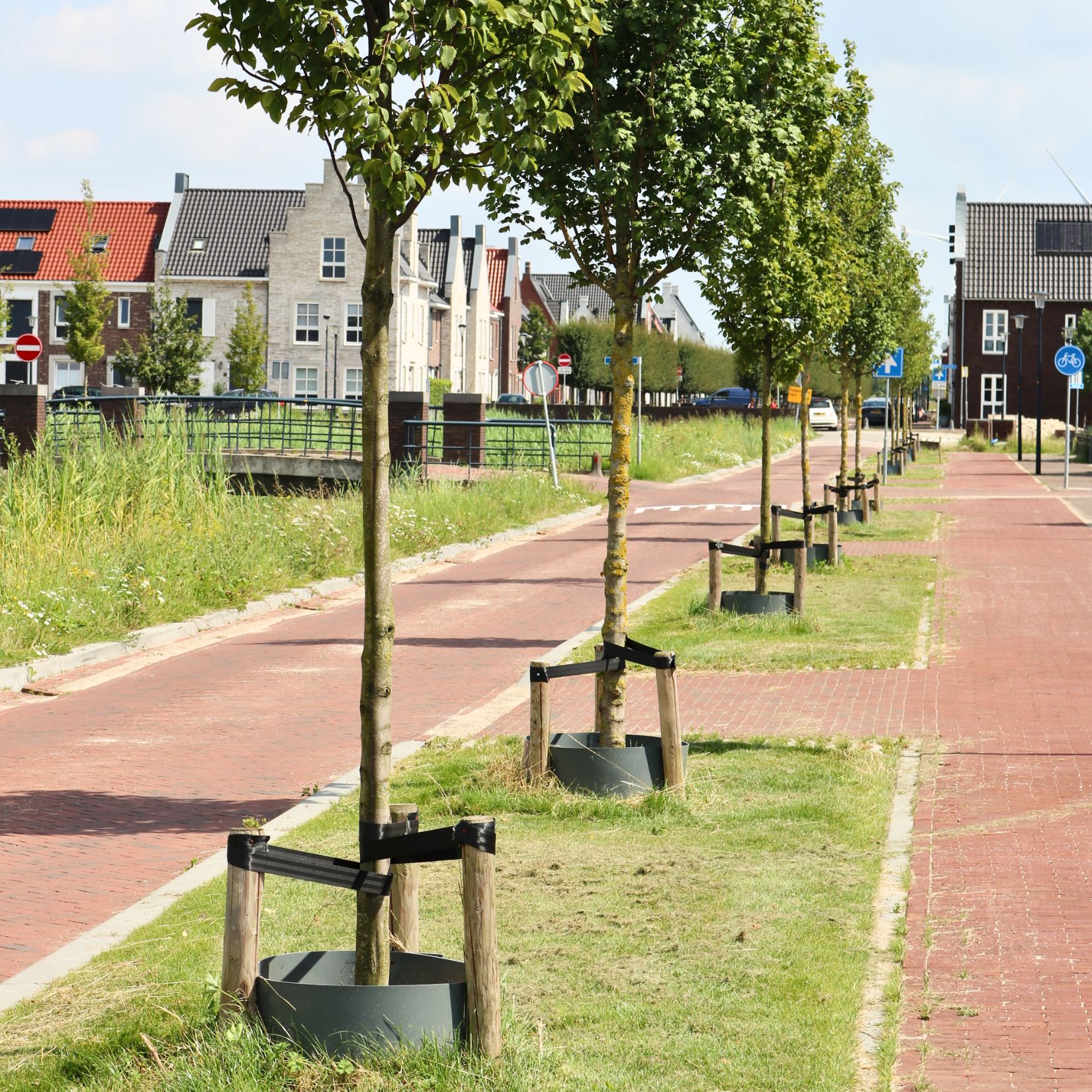
Aeration and irrigation
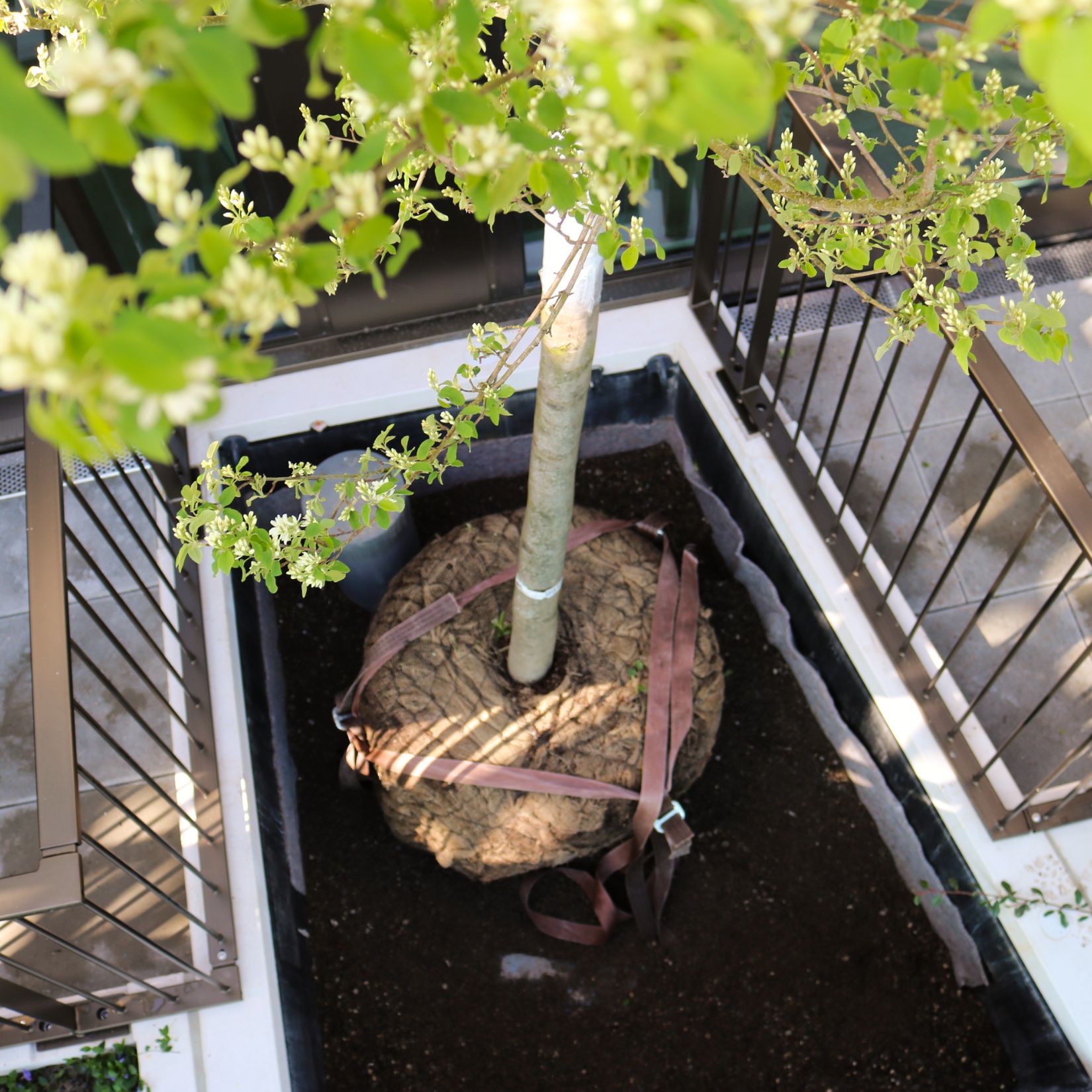
Anchoring
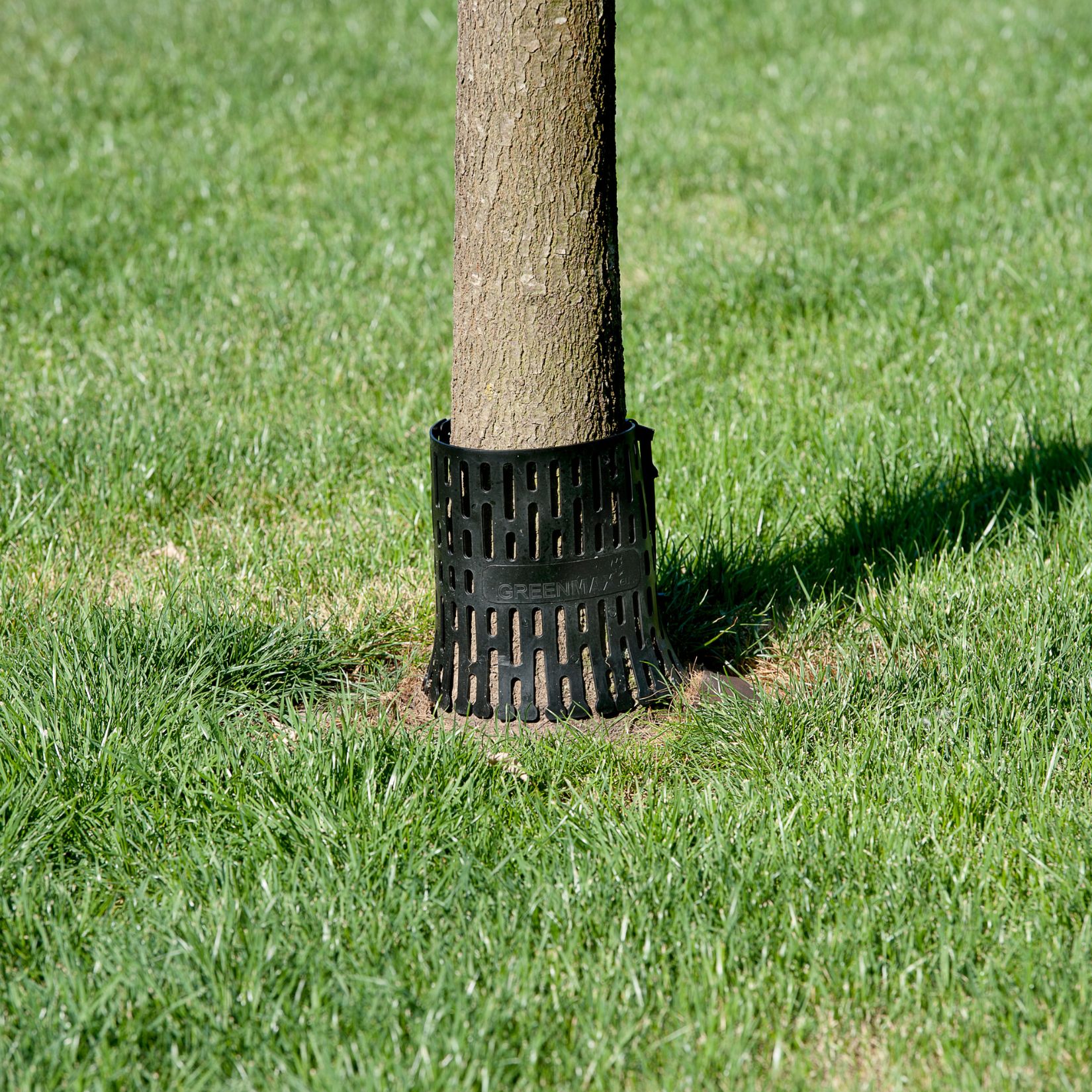
Trunk protection
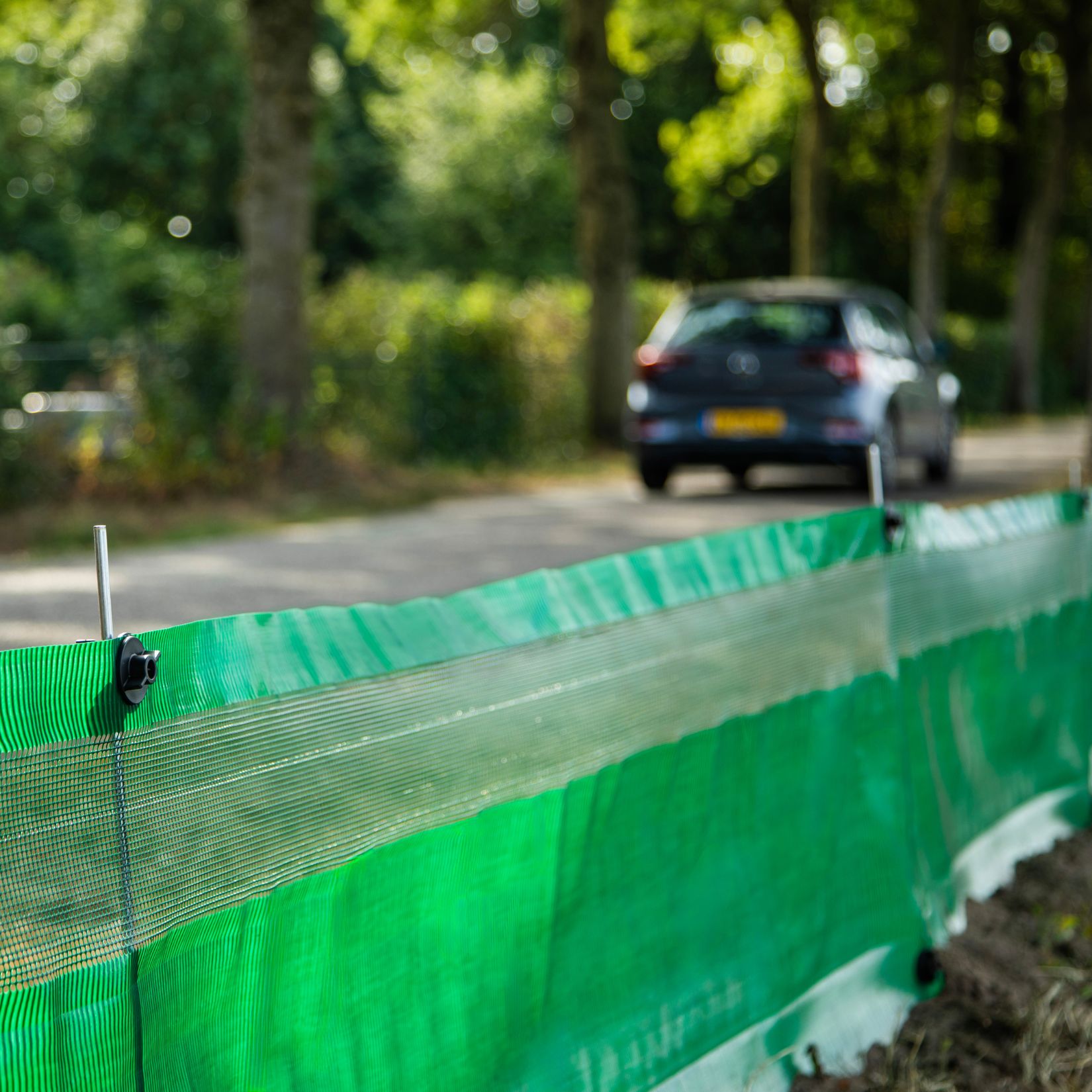
Biodiversity conservation

Soil improvement
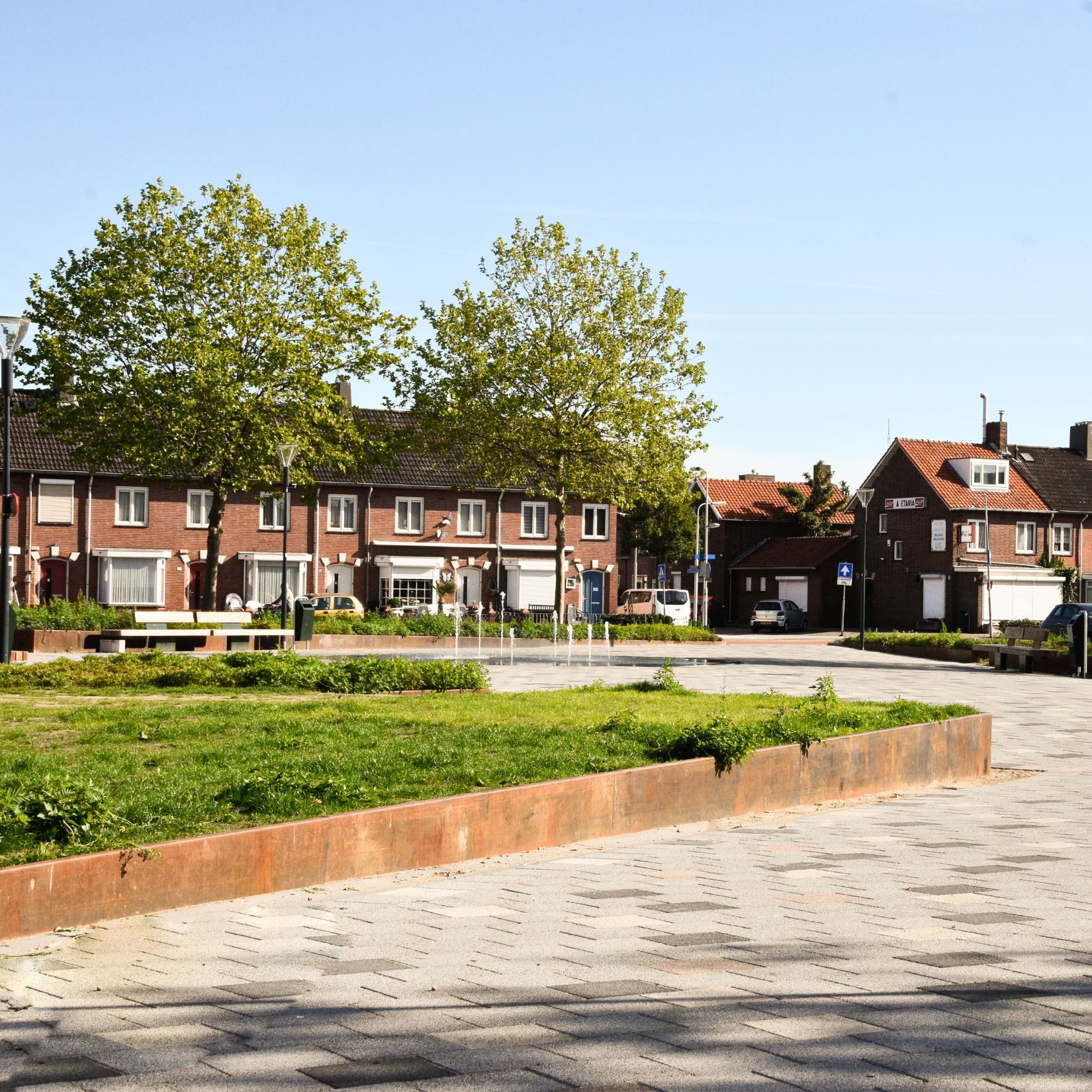
Exterior design
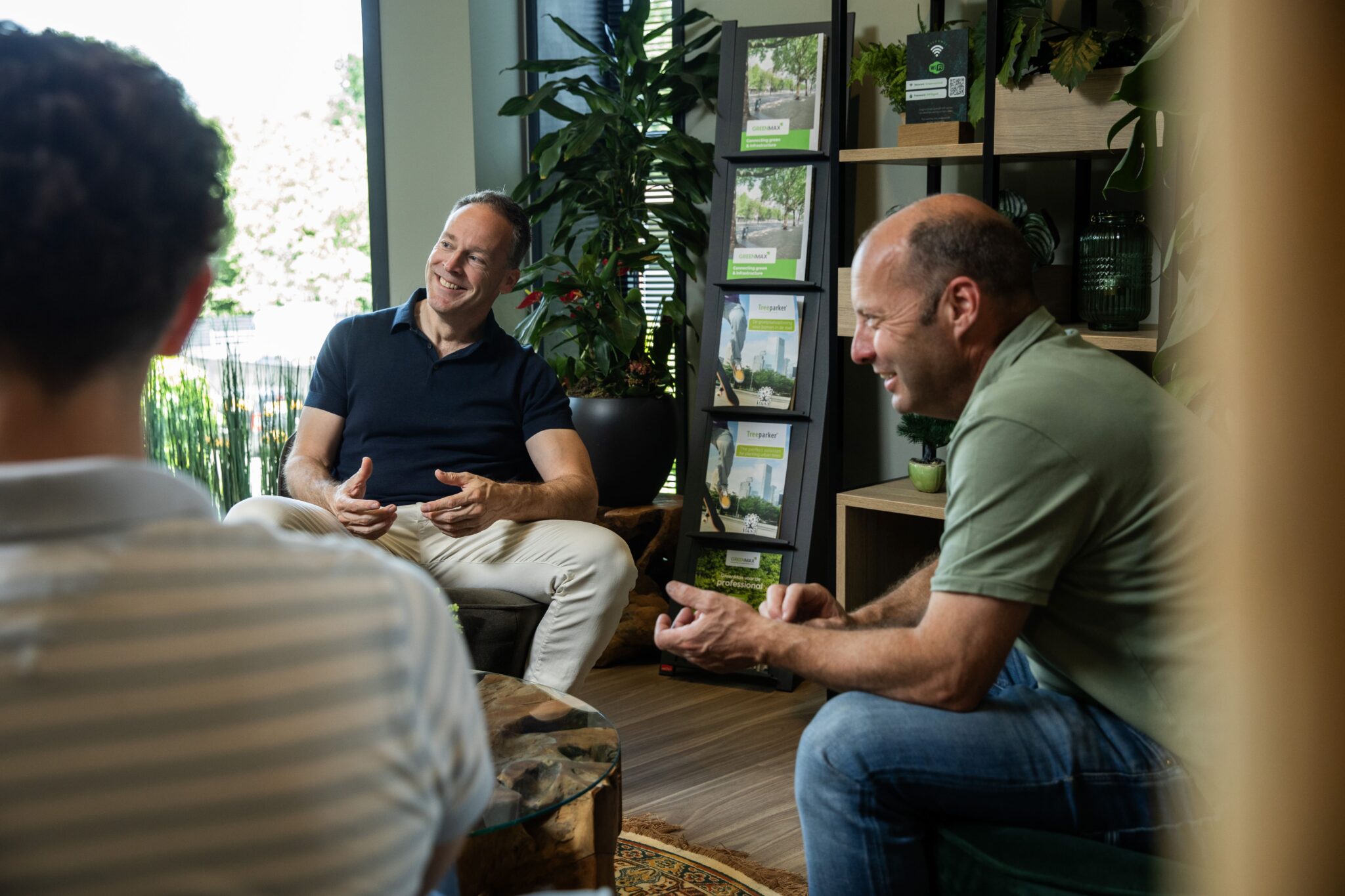
Creating public support for greening projects
Changes in the public realm can sometimes meet with resistance. At the same time, greening is essential for a future-proof living environment. That is why we are happy to support you in building support for greening projects. We do this, among other things, by:




Looking for a fresh, inspiring perspective to take your project to the next level?
We are keen to think along with you about connecting green space and infrastructure in the public realm. Whether it concerns a new greening project or underground conflicts such as tree roots interacting with cables and pipes, we are happy to help.
As an integrated partner for green space and infrastructure, we offer support at every stage of the process. Would you like to discuss a specific challenge or are you looking for in-depth advice? Feel free to schedule a no-obligation consultation to explore the possibilities together.